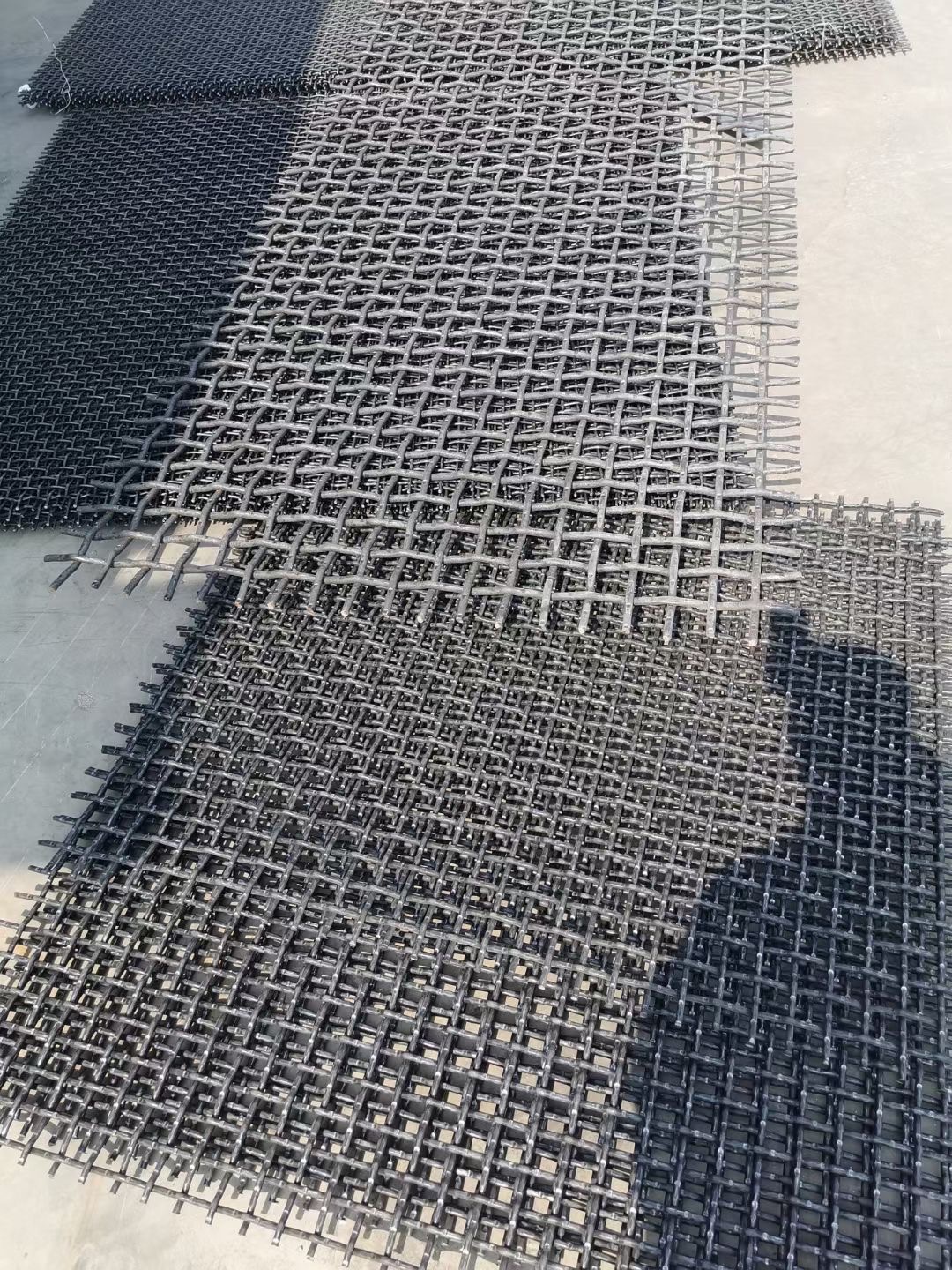
Material is the parameter buyers ask about most often, and it is also the one where a general answer helps least. The useful question is not "which is best" but "which one suits the duty this screen is on". Here is how that conversation usually runs.
The three confirmed options
65Mn spring steel is the usual starting point where the screening duty is abrasive: crushed stone, ore and aggregate. It is the material most commonly discussed for woven mining screens on those applications.
Stainless steel enters the conversation when the operating condition calls for corrosion resistance — for example where moisture or a corrosive environment is part of the process.
Carbon steel is discussed for general screening applications and where replacement supply cost is a primary consideration.
The three questions that usually decide it
1. What are you screening, and how abrasive is it?
Abrasive stone, ore and aggregate are the typical starting point for the 65Mn discussion.
2. Are conditions wet, humid or corrosive?
That is normally where stainless steel becomes relevant.
3. What is the screen you are replacing made of?
If it performed acceptably, matching it is often the most direct route — and it is a completely valid answer if you would rather keep the specification stable between orders.
A screen that is not currently performing well is equally useful information: it is the starting point for discussing what should change.
What gets confirmed alongside the material
Material is not decided in isolation. Wire diameter and aperture determine the screening behaviour, and dimensions and edge configuration determine the fit. All of them are confirmed together before production, which is why a material change and a specification change are usually reviewed in the same conversation.
Why we do not publish a material selection table as a rule
It would be easy to print a table that maps every condition to one material. In practice the operating requirement decides, and two buyers screening similar material can reasonably land on different answers depending on their equipment and their replacement cycle.
So the material is discussed against your actual condition, then confirmed with you in writing before production starts. General guidance is where the conversation starts — not where it ends.